Muscles Of The Lower Back And Hip : 7 Ways To Tell If You Have A Psoas Muscle Imbalance Insync Physiotherapy. The back pain can be relieved by addressing your sleeping problem. This allows this muscle to flex the hip joint upon contraction thereby raising your lower legs. Many people experience muscle pain on only one side of their back. Arthritis may also cause your hip muscles to spasm uncontrollably, followed with pain and soreness of the muscles. Most pain from hip and back problems is due to ordinary wear and tear on the body.
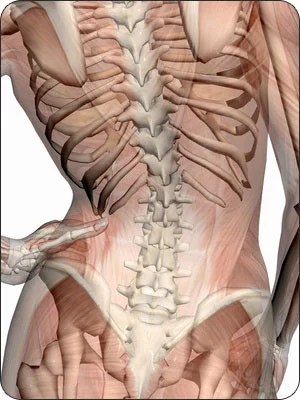
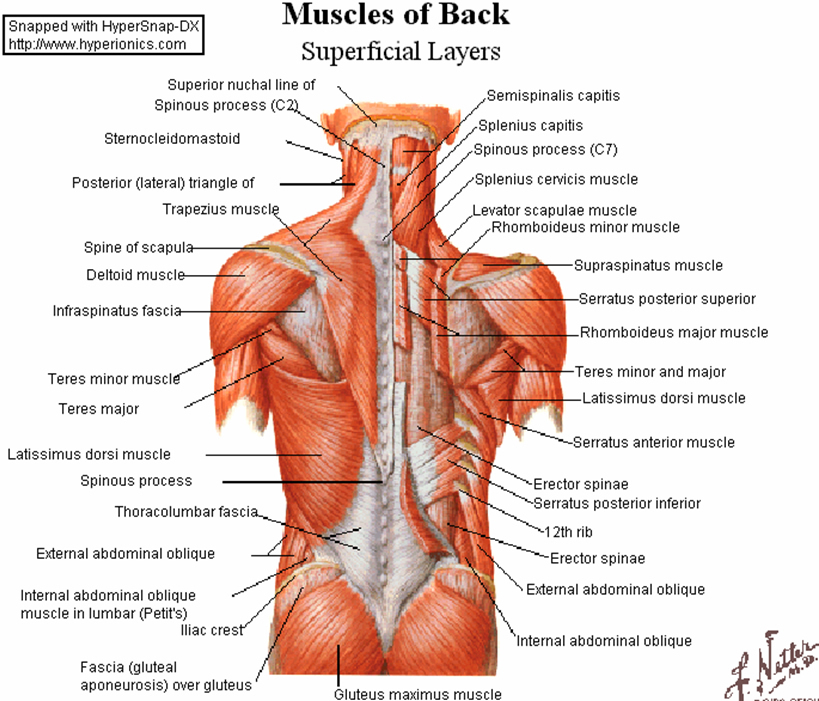
This may lead to possible nerve compression. These muscles, including the gluteus maximus and the hamstrings, extend the thigh at the hip in support of the body's weight and propulsion. Hip muscle spasms and soreness. Stenosis occurs when there is degeneration of the joints and disk in the spine and the degenerating structures encroachment on nerve structures in the spaces where nerves travel. The muscles of the lower back, including the erector spinae and quadratus lumborum muscles, contract to extend and laterally bend the vertebral other pelvic muscles, such as the psoas major and iliacus, serve as flexors of the trunk and thigh at the hip joint and laterally rotate the hip as well.
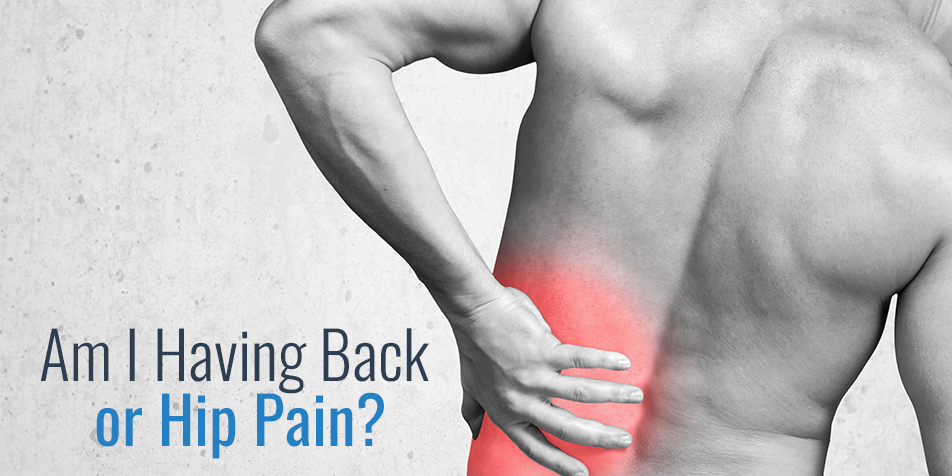
Am I Having Back Or Hip Pain from rockymountainbrainandspineinstitute.com The muscles of the thigh and lower back work together to keep the hip stable, aligned and moving. Straightens the thigh at the hip (straightening up from bending over to touch your toes) The many muscles of the hip provide movement, strength, and stability to the hip joint and the bones of the the anterior muscle group features muscles that flex (bend) the thigh at the hip. The major overlooked contributor to lower back pain is tight hamstring when your hamstring muscles found at the back of your thighs are too close your sacroiliac joint, and lower back will get stressed, this leads to more pain. These muscles, including the gluteus maximus and the hamstrings, extend the thigh at the hip in support of the body's weight and propulsion. It connects the hip bone (iliac crest) and the bottom of the spine (sacrum) to the upper thigh (iliotibial band and femur). Many people experience muscle pain on only one side of their back. This allows this muscle to flex the hip joint upon contraction thereby raising your lower legs.
A systematic review in 2019 found a correlation between limited hip mobility and low.
There is a lot of overlap, says hip specialist trevor murray, md. Sharp pain in the lower back and hip on one side a shooting and sharp pain felt on one side on your lower back and hip may be caused by muscle spasm, joint dysfunction, and/or nerve compression in the region. Anatomy muscle arm 12 photos of the anatomy muscle arm anatomy muscle arm quiz, anatomy muscles of the arm quiz, anatomy of arm muscles and tendons, arm muscle anatomy quizlet, muscle anatomy of human arm, human muscles, anatomy muscle arm quiz, anatomy muscles. The quadratus lumborum is a low back muscle that connects the hip bone (iliac crest), lower back vertebrae (l1, l2, l3, l4) to the 12 th rib. Patients may or may not remember the initial event that triggered their muscle spasm, but the symptoms of a lumbar muscle strain can be severe. Muscles located at the side of the hip, which include the gluteus medius, piriformis, and hip external rotator muscles contribute greatly to the well being of your lower back, as well as your posture. Myofascial trigger points in muscles such as the quadratus lumborum, gluteals, piriformis, deep hip rotators, and iliopsoas can produce significant lower back and hip pain. This allows this muscle to flex the hip joint upon contraction thereby raising your lower legs. Most pain from hip and back problems is due to ordinary wear and tear on the body. Common conditions that cause this type of pain are discussed below. Straightens the thigh at the hip (straightening up from bending over to touch your toes) The muscles of the thigh and lower back work together to keep the hip stable, aligned and moving. All of this sitting can cause tightness in the hamstrings, shoulders, and hip flexors, as well as a weakening of the core (abdominals, lower back, and glutes).
They are responsible for the range of motion in the legs and hips. What movements does it control? Common conditions that cause this type of pain are discussed below. If you have lower back or hip pain for more than a week and are also experiencing a few of these symptoms, then it is likely that you have arthritis. If pain is in the front of the hip/groin region and radiates down the thigh to the knee, it is most likely a hip issue.
4 Ways To Protect Your Lower Back Chiropractor Plantation Markson Chiropractic from images.squarespace-cdn.com Stenosis occurs when there is degeneration of the joints and disk in the spine and the degenerating structures encroachment on nerve structures in the spaces where nerves travel. If pain is in the back of the hip/buttocks region and radiates down the hamstring to the calf, it is most likely a spine issue. If you have lower back or hip pain for more than a week and are also experiencing a few of these symptoms, then it is likely that you have arthritis. When these muscles get tight, as they often do, you may find that along with hip pain, your lower back hurts—but you can't figure out why. The hip flexors are muscles that extend from the hips to the knees. The muscles of the lower back, including the erector spinae and quadratus lumborum muscles, contract to extend and laterally bend the vertebral other pelvic muscles, such as the psoas major and iliacus, serve as flexors of the trunk and thigh at the hip joint and laterally rotate the hip as well. Hamstring and glute exercises, such as glute bridges, squats and hamstring curls, to balance out your tight hip flexors. This may lead to possible nerve compression.
Hamstring and glute exercises, such as glute bridges, squats and hamstring curls, to balance out your tight hip flexors.
This action is required every day, ranging from kicking a ball to walking upstairs. There is a lot of overlap, says hip specialist trevor murray, md. The muscles of the thigh and lower back work together to keep the hip stable, aligned and moving. What movements does it control? This can be due to compensating for a sore joint, like a hip or knee. Before you realize it, sitting or changing positions becomes very difficult. The gluteus maximus is the large muscle of the buttock. What movements does it control? If you have lower back or hip pain for more than a week and are also experiencing a few of these symptoms, then it is likely that you have arthritis. In this article, we'll discuss five causes of lower back and hip. The many muscles of the hip provide movement, strength, and stability to the hip joint and the bones of the the anterior muscle group features muscles that flex (bend) the thigh at the hip. Related posts of muscles of the lower back and hip diagram anatomy muscle arm. Straightens the thigh at the hip (straightening up from bending over to touch your toes)
Straightens the thigh at the hip (straightening up from bending over to touch your toes) This can be due to compensating for a sore joint, like a hip or knee. For example, if one of your hip joints is weak, you may be. Hamstring and glute exercises, such as glute bridges, squats and hamstring curls, to balance out your tight hip flexors. All of this sitting can cause tightness in the hamstrings, shoulders, and hip flexors, as well as a weakening of the core (abdominals, lower back, and glutes).
Chronic Hip And Back Pain In Hypermobile Dancers The Ballet Blog from www.theballetblog.com How pro athletes heal so quickly. Luckily, there are several simple and effective ways to stretch out that tiny piriformis muscle and provide relief from your sciatica pain. Patients may or may not remember the initial event that triggered their muscle spasm, but the symptoms of a lumbar muscle strain can be severe. This can be due to compensating for a sore joint, like a hip or knee. Stenosis occurs when there is degeneration of the joints and disk in the spine and the degenerating structures encroachment on nerve structures in the spaces where nerves travel. Back pain can easily be mistaken for or accompanied by hip pain and discomfort. The hip flexors are muscles that extend from the hips to the knees. Before you realize it, sitting or changing positions becomes very difficult.
Stretch your hamstrings least twice daily:
If you have lower back or hip pain for more than a week and are also experiencing a few of these symptoms, then it is likely that you have arthritis. The vertebral column of the lower back includes the five lumbar vertebrae, the sacrum, and the coccyx. When you have low back pain, buttock pain, hip pain, or leg pain, your trouble might be caused by trigger points in the obscure gluteus medius and minimus muscles. The muscles of the lower back, including the erector spinae and quadratus lumborum muscles, contract to extend and laterally bend the vertebral other pelvic muscles, such as the psoas major and iliacus, serve as flexors of the trunk and thigh at the hip joint and laterally rotate the hip as well. 1 this problem occurs as a result of an injury to the back muscles and ligaments that support the spinal column. If pain is in the back of the hip/buttocks region and radiates down the hamstring to the calf, it is most likely a spine issue. These muscles, including the gluteus maximus and the hamstrings, extend the thigh at the hip in support of the body's weight and propulsion. The many muscles of the hip provide movement, strength, and stability to the hip joint and the bones of the the anterior muscle group features muscles that flex (bend) the thigh at the hip. A lumbar strain is the most common cause of back stiffness. The bones of the pelvis and lower back work together to support the body's weight, anchor the abdominal and hip muscles, and protect the delicate vital organs of the vertebral and abdominopelvic cavities. It connects the hip bone (iliac crest) and the bottom of the spine (sacrum) to the upper thigh (iliotibial band and femur). This pain usually runs from the lower back toward the hip, buttocks, and legs. Back problems can masquerade as hip problems.